Most operators arrive at photo booth vs 360 booth with one budget and one van. The two formats sell different products to different buyers, so the question is not which machine is better, it is which market you can reach in your first season.
They Are Not the Same Product
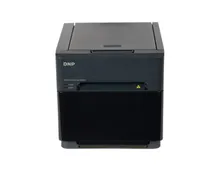
A classic booth produces a physical print. The value is a tangible object that goes home, gets stuck on a fridge and reminds someone of the event for years. It is a keepsake business.
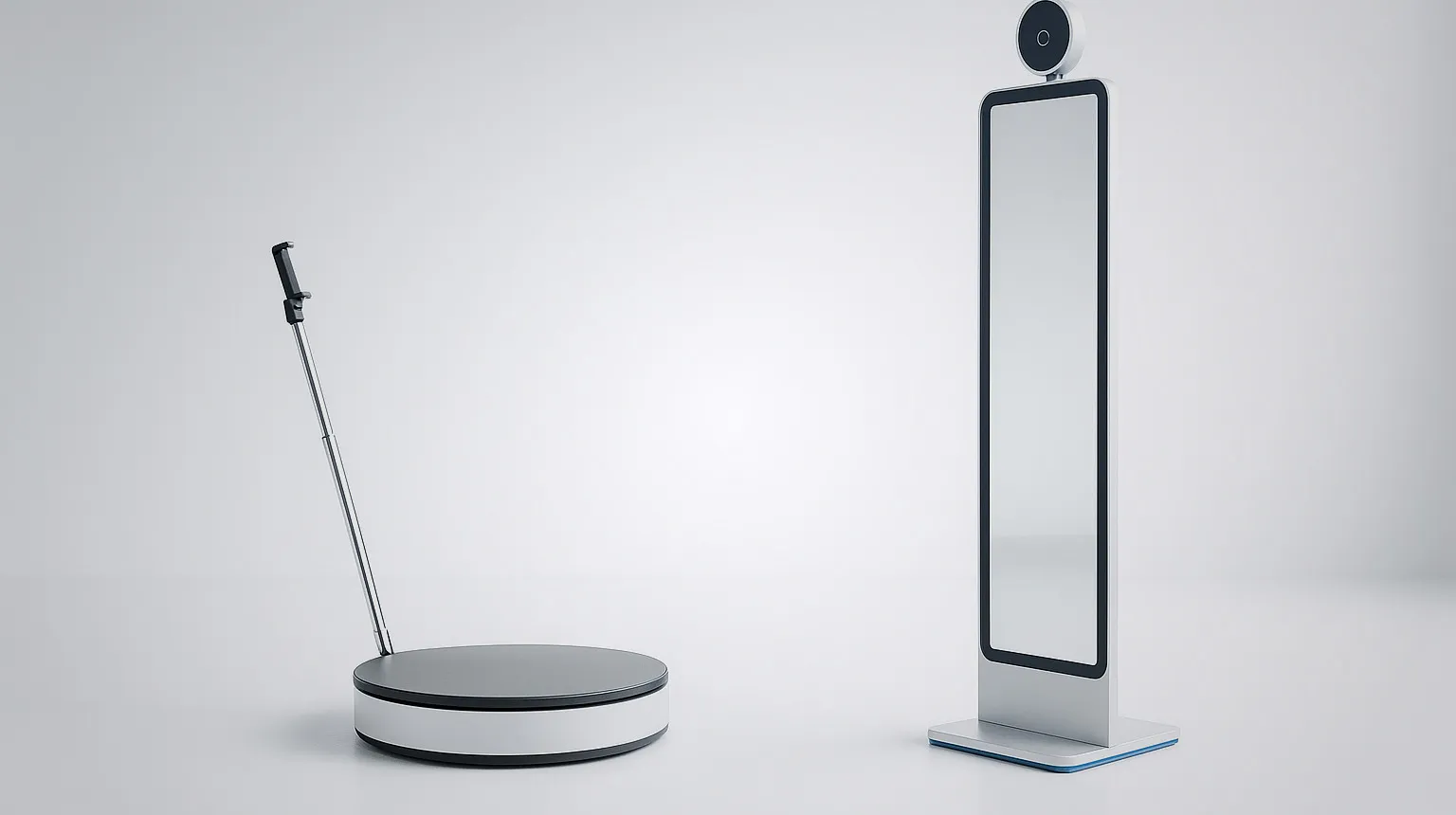
A 360 platform produces a video clip. The value is reach: the guest posts it within minutes, tags the venue and the couple, and people who were not at the event see it. It is a content business.
Plenty of clients ask for both without knowing what separates them. Explaining a 360 vs traditional photo booth in one sentence at the enquiry stage, keepsake against reach, is usually what closes the booking before the price comes up.
Where Each One Wins
The classic booth wins at weddings with an older guest mix, at events where a guest book matters, in venues where you need a small predictable footprint, and any time the client says the word “favour” or “keepsake”. It also handles volume beautifully: people step in, pose, step out, prints stack up.
The 360 wins at brand activations, at younger weddings, at anything where the client mentions social media, and wherever a queue itself is part of the show. A spinning platform is entertainment for the people watching, not just for the person on it, and that draws a crowd in a way a print booth never does.
360 Booth vs Classic Booth on Space, Setup and Running Cost
Space. A 360 needs a safe radius around a moving arm, and venues will ask about it. A classic booth needs a corner. If your market is small function rooms, that matters more than any feature comparison.
Setup time. Both are manageable, but a 360 involves a platform, an arm and lighting that has to look right on video, and lighting for video is less forgiving than lighting for a still.
Running cost. The 360 has almost no consumable cost: no media, no prints, just your time and the software. The classic booth spends money on every print, which is predictable and calculable but real. Over a heavy season, that gap is significant.
Failure modes. A print booth fails at the printer, usually noisily and usually fixable. A 360 fails at the software or the phone, quietly, and needs someone who knows the app. Neither is worse, they just need different spares in the van.
What Guests Actually Do
Watch a room and the pattern is consistent. A print booth builds a queue of small groups who go in, come out laughing and compare strips. A 360 builds a semicircle of spectators with their phones out, filming the person on the platform. The print goes home in a pocket, the clip is on a phone before the first dance.
That is why an event with both, on opposite sides of the room, tends to outperform either alone: they entertain different people at the same moment.
Pricing Reflects the Difference
360 experiences generally command the higher rate, because the output is what brands and younger couples are paying for and because the format still reads as new. Print booths win on volume events and on packages where “unlimited prints” is the headline.
If you are choosing your first machine as a business decision rather than a preference, work out which of the two markets you can actually reach, then price the season out of it, as set out in what to charge for a photo booth.
Which Books More Over a Full Season
Start with the format your market asks for, run it for a season and add the other one when the enquiries tell you to. In a city with agencies and venues chasing social content, the platform books more. In a diary built on family weddings and corporate parties, the print booth does. Nearly every operator who lasts ends up with both, because the second machine is what turns a busy Saturday into two bookings instead of one. The full range covers both formats with prices plus VAT.