All prices plus VAT

+34 623 798 041 WhatsApp

Format Explained

Sketch Bot

A robotic arm with a real pen that draws a guest in under a minute. The queue forms to watch the machine work, and the drawing goes home with your client's logo on it.

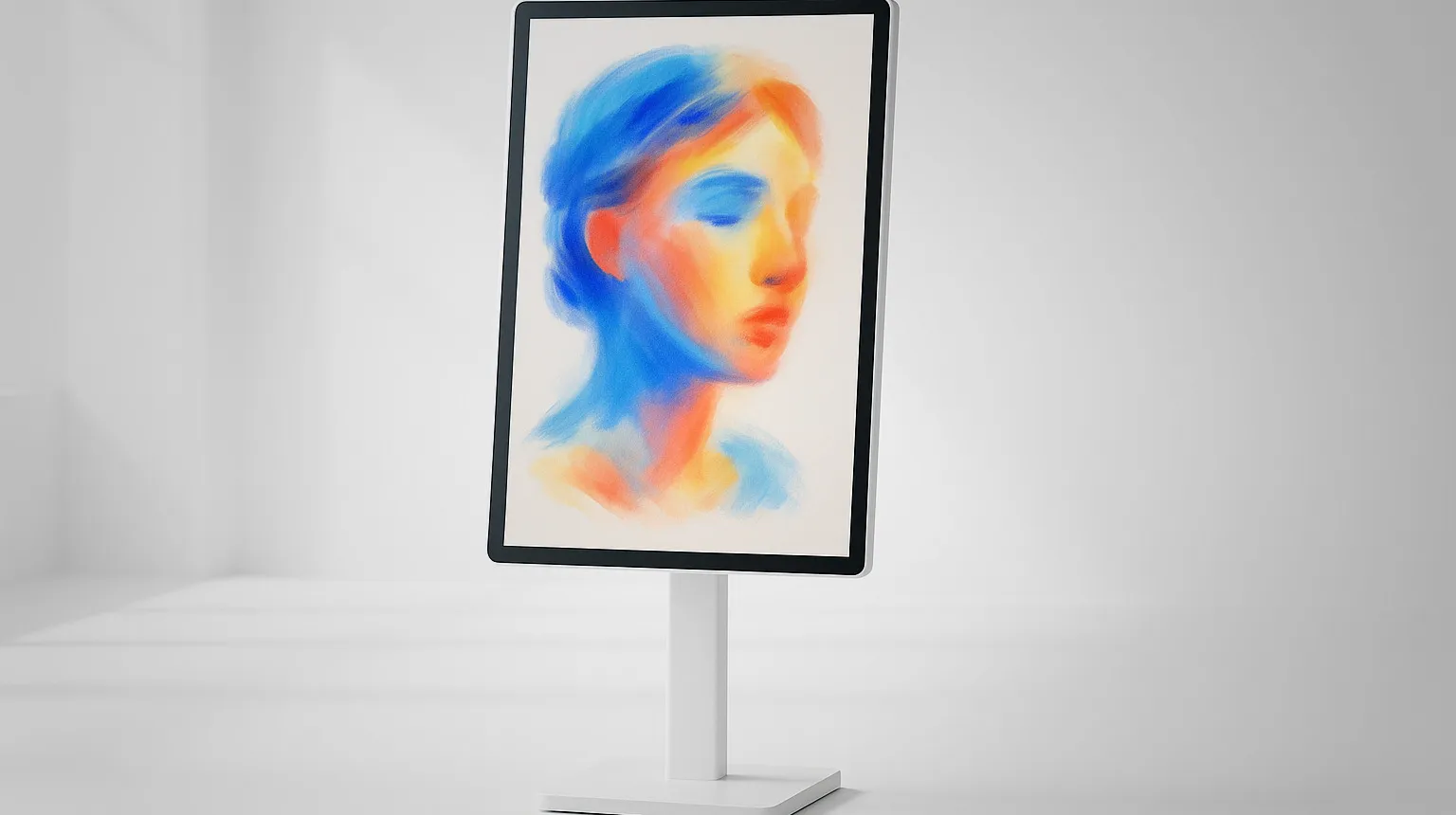
Live AI generated portrait being produced at an event

How the Portrait Happens

Three things in sequence, and the whole point is that guests can see all three. A camera photographs the person. Software reduces that photo to line art in a chosen style, from clean portrait to full caricature. Then a robotic arm holding an ordinary pen draws it on paper, stroke by stroke, in roughly the time it takes to finish a drink.

The output is what separates it from every screen based experience at the same event: a physical drawing, signed by a machine, that nobody throws away on the way out. The style setting is what makes it a robot caricature booth or a straight portrait machine depending on the client, and it changes between bookings rather than between machines.

Why It Draws a Crowd

A photo booth entertains the people inside it. A sketch robot entertains everyone who can see it. That difference is the reason brands book it for stands and launches: the machine drawing is the attraction, the queue is visible from across the hall, and every person waiting is looking at your client's branding for several minutes.

It is the same mechanic that made the 360 platform work, moved from video to paper, and the same one behind the glambot, the robotic camera arm from the red carpet.

What the Market Looks Like Today

This category is young and fragmented. Several systems compete internationally, among them SketchBot, Draw Me Bot, DrawMatic AIrtist, Kande and Social Pro, and most of the companies you will find in a search are rental operators serving their own city rather than manufacturers. The naming is just as loose: a sketch robot photo booth, a drawing robot for events and a sketch express photo booth for sale are all the same idea, an arm and a pen, described by whoever wrote the listing.

That matters if you are on our side of the table. When almost every result is a local hire company, an operator asking a simple question, "can I buy one and run it myself", gets almost no straight answers. We think that question deserves one.
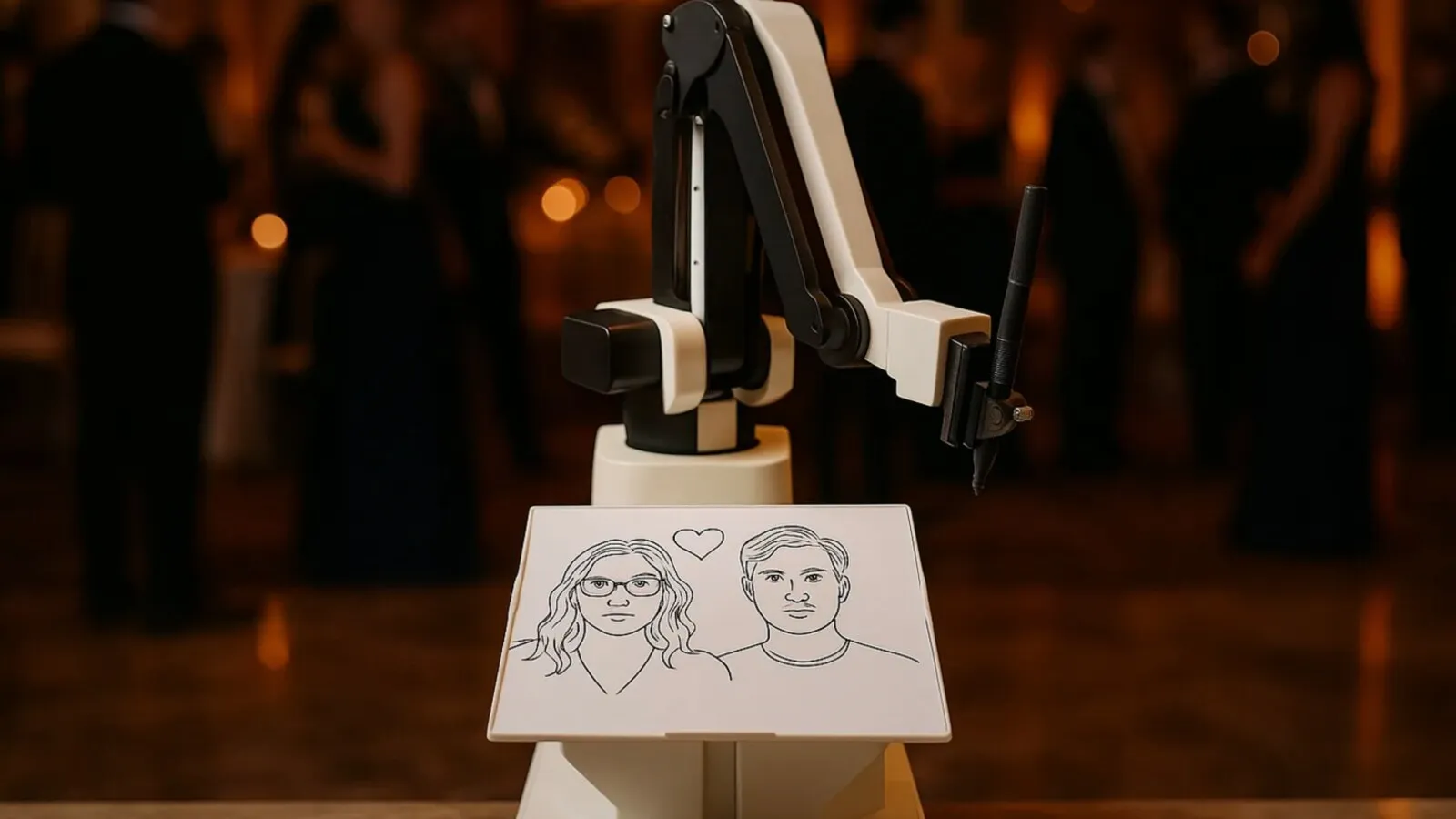
Sketch bot drawing a guest caricature in pen on paper at an evening event

Hire It or Own It

Hiring makes sense for a single event, or the first time you sell the idea to a client and want to test the reaction without capital at risk. You subcontract, you add your margin on top, and somebody else takes the equipment risk.

Owning it changes the maths the moment the same client asks for it twice. The subcontracted fee becomes your margin, the machine goes into every proposal you send, and you stop competing on the same booth formats as everybody else in your market. The calculation is the same one set out in how much photo booth owners make: purchase price divided by margin per event equals payback in events.

Where It Fits Next to What You Already Own

It does not replace a booth, it stacks on top of one. The robot handles the wow and the brand story, a mirror booth or a print booth handles the volume, and both go in the same proposal at a higher total. For the screen based side of AI, our AI photo booth page covers what Pictiax does with live caricatures, and sketch robot software vs Pictiax puts the two side by side.

Thinking about adding a sketch robot to your line up? Tell us the events you work and what you would charge for it, and we will tell you plainly whether the numbers work, the same way we do with every other format we sell.
Due Diligence

What to Ask Before You Commit

  • Time per drawing at full detail, not the best case in a demo video. It sets how many guests you can serve per hour, and that is what you are selling.
  • Consumables. Which pens and which paper, how long they last and where you buy them. This is the running cost nobody mentions.
  • Branding. Can the logo, colours and message be changed per client, on site, in minutes? If it needs the supplier to do it, every booking depends on somebody else's calendar.
  • Transport and setup. A robotic arm needs a rigid, level surface and a safe working radius. Ask how it travels and how long it takes to be drawing again.
  • Failure on site. What happens when a pen jams at 8 pm at a trade show. Who answers, and how fast.
Included as Standard

What Comes With Every Machine

3 Year Warranty

Three years of official warranty, covering manufacturing defects, electronic components, the screen and the printer.

Unlimited Support for Life

Unlimited technical support for as long as you own the machine, with no plan to renew. Ask us anything through the contact form, by email and on WhatsApp (+34 623 798 041).

Financing From €99 a Month

Financing is available from €99 a month if you prefer to spread the payment. Conditions on request.

Frequently Asked Questions

What is a sketch bot?

A sketch bot, also sold as a drawing robot or a robotic sketch artist, is a robotic arm holding a real pen that draws a guest's portrait on paper, live. A camera takes the photo, software turns it into line art in a chosen style, and the arm draws it in under a minute. The guest leaves with a physical drawing, not a print.

How long does one drawing take?

The systems on the market advertise between roughly 30 and 60 seconds per portrait, depending on the level of detail and the style. That pace is what makes it work at an event: fast enough for a queue, slow enough that watching it draw is part of the show.

Can you buy a sketch robot instead of hiring one?

Yes, and that is the question almost nobody answers online, because most of the market is rental companies serving their own city. If you already run booths, buying the machine turns a subcontracted extra into a margin you keep. Ask us for a configuration and an all-in price, plus VAT.

How much does a sketch robot cost?

Ours starts at €5,140 plus VAT for the machine with its software, and that is the number to compare against what you are paying a rental company per event. Hire prices in this category are quoted per day and vary by city, so the payback is simply the purchase price divided by the margin you keep on each booking once you stop subcontracting.

How long does a sketch bot take per drawing?

Between roughly 30 and 60 seconds, set by the style and the amount of detail in the line art. Plan the stand around it: at 45 seconds a portrait plus the handover you are serving somewhere near 50 guests an hour with one attendant, which is the figure to quote a client rather than the fastest demo you have seen.

How is it different from an AI photo booth?

An AI photo booth generates an image on a screen and delivers it digitally or as a print. A sketch robot physically draws with a pen, so the attraction is the machine drawing in front of people. Many operators run both: the robot pulls the crowd, the booth handles the volume.

What do brands actually use it for?

Trade show stands, product launches and corporate parties, where the goal is to stop people walking past. The drawing carries the brand: logo, colours and a message on the paper, which is why marketing teams treat it as a media spend rather than entertainment.

Does it need an attendant?

Yes. Someone has to manage the queue, change paper and pens and hand over the drawings. It is not an unattended machine, and any supplier who tells you otherwise has not run one at a busy stand.

How long is the warranty and what does it cover?

Three years. The official warranty covers manufacturing defects, electronic components, the screen and the printer. Technical support is unlimited and for life, with no renewal to pay, and you can reach us through the contact form, by email and on WhatsApp (+34 623 798 041). Financing is also available from €99 a month if you prefer to spread the payment, conditions on request.

Talk to a Photo Booth Specialist

Tell us about your project and we will recommend the right booth, printer and software setup, with transparent pricing, all prices plus VAT.

Get a Free Quote